


Fundraising in Hawaii: A Practical Guide for Groups

Last Updated: November 19, 2026
Quick Summary
Fundraising in Hawaii works best when it relies on personal relationships, since local supporters respond to requests from familiar schools and teams. Groups should confirm current state rules before collecting online and plan around inter-island shipping and weather. Setting a clear goal and a timeline built backward from delivery date helps campaigns succeed.
Set a one-sentence goal with a dollar amount and a specific date.
Confirm permit and solicitation rules before printing any materials.
Build the timeline backward from your delivery or event date.
Plan for inter-island shipping delays and name a rain date.
Budget for net proceeds by subtracting all fees and product costs.
Ready to raise funds the island way?
Snacks Galore Hawaii offers low-minimum snack fundraising with authentic island flavors.
Table of Contents
Why Fundraising in Hawaii Works Differently
Fundraising in Hawaii is shaped by a strong culture of local support. Neighbors tend to buy from neighbors, and a request that comes from a familiar school or team often lands better than a mass appeal. That makes personal relationships your most valuable asset.
Regulation also matters more than many groups expect. The state's Department of Health publishes fundraising guidance for certain event types, and those guidelines set out fee amounts that depend on how long an event runs. Hawaii is also changing how charitable fundraising platforms operate. Read more about how Hawaii communities engage with local fundraisers in this in-depth look. A new law is scheduled to take effect July 1, 2026, and it adds a consent requirement for nonprofits that raise money through online platforms (Perlman & Perlman's summary of Hawaii's charitable fundraising platform law). If your group plans to collect donations online, confirm the current rules before you launch.
Logistics are the last piece. Island shipping, weather and distance between communities all affect how you deliver products and run events. Plan for them early.
How to Plan a Fundraiser from Start to Finish
A fundraiser that runs smoothly is usually one that was planned backward from a single delivery or event date. The steps below work for a school parent group, a youth sports team, a church committee, or a community association, and they account for the island logistics that mainland checklists tend to skip.
1. Write a one-sentence goal with a dollar amount and a date. "Raise $2,500 for new uniforms by March 15" is workable; "raise money for the team" is not. Put the goal where every volunteer can see it, because the number drives every later decision about product, price, and outreach.
2. Choose the method before you choose the product. The three common paths are product sales (snacks, baked goods, coupon cards), an event (fun run, car wash, dinner), and direct appeals (online giving page, letter campaign). Product sales suit groups with broad family networks because each seller reaches people the organizer never meets. Events build community but concentrate the work on a small committee.
3. Confirm what permits and rules apply before you print anything. If you are soliciting donations from the public, check the state Attorney General's charitable solicitation requirements for your organization type. If you are holding a public event on state property or a public space, check county and state event rules. If you are selling food, check Department of Health food-safety requirements for temporary food establishments.
4. Assign four roles, not one. Name a campaign lead, an orders-and-money lead, a communications lead, and a logistics lead. The orders-and-money lead should be someone other than the person who signs the checks, and two people should count cash together.
5. Build the timeline backward from delivery. Work back from your pickup or event date: one week for final order reconciliation, two to three weeks for the sales window, one week for promotion before launch, and two weeks before that for ordering materials and setting up the online page. If your product ships from outside the islands, add transit time.
6. Plan for island logistics explicitly. Inter-island shipping adds cost and days; a product that arrives on Oahu on a Tuesday may not reach a neighbor-island pickup site until the following week. Weather can cancel an outdoor pickup day with little notice, so name a rain date and a covered backup location.
7. Set the reporting rhythm before launch. Decide who posts progress updates, how often (weekly is typical), and what the final report will show: total raised, total costs, and net proceeds to the cause. Supporters who see a clear final number are the ones who say yes next year.
Watch out: groups often launch the sales window before the online payment page, permit, and pickup site are confirmed, then spend the campaign apologizing for delays instead of selling.
School Fundraising Ideas That Keep Parents Involved
Parents are the engine of most school fundraisers, and the best campaigns make it easy for them to help without giving up their evenings. Browse the easy fundraising ideas for teams, clubs, and community organizations for more simple options that fit a busy schedule. Snack fundraising can work well here, since many groups find that orders are easy to place and collect.

Keep the ask simple. A single order form, one deadline and one pickup day reduce confusion. Send a reminder midway through the campaign, and thank families publicly when the goal is reached.
Snacks Galore Hawaii offers a snack fundraising program. Pricing depends on quantity, dates, and delivery, so check the website for current details or request a quote before you commit.
Budgeting, Fees and Realistic Fundraising Targets
Most fundraising disappointment is a budgeting problem, not a sales problem. A group hits its gross goal and still comes up short because costs were never subtracted. The fix is a one-page budget built before the campaign starts, with four line items: product or event cost, shipping and delivery, promotion and printing, and platform or payment fees.
Start with net, not gross. Write the number you actually need, the cost of the uniforms, the trip deposit, the equipment, and treat that as the target. Then estimate the gross you must raise to net that amount. If your product costs roughly half of what you sell it for, you need to sell about twice your net target. If your margin is thinner, you need more. Ask your supplier for the per-unit cost at your expected volume before you set the goal, because margin changes with quantity.
List every fee that touches the money. Common ones include payment-processor fees on online gifts (typically a percentage plus a small fixed amount per transaction), platform fees if you use a fundraising website, shipping charges on product orders, printing for order forms and flyers, and any event permit or facility fee. Cash and check orders avoid processor fees but add counting and deposit work, so many groups accept both and price the same either way.
Work a simple example. Suppose a group needs $2,000 net. It sells snack boxes at a price that leaves about 50 percent margin after product and shipping. It budgets $150 for printing and promotion and expects online orders to incur payment fees of roughly 3 percent of online revenue. To net $2,000, the group needs gross revenue of roughly $4,300 to $4,500 once those costs are layered in. That is the number to put on the thermometer, not $2,000, because the thermometer should track progress toward the gross that produces the net.
Size the goal to the reachable audience. A practical rule of thumb is to estimate the number of households your sellers can realistically contact, then assume a modest participation rate. A group with 40 families contacting 10 households each has roughly 400 reachable households; at a 15 to 25 percent order rate, that is 60 to 100 orders. Multiply by your average order value to see whether your gross target is achievable. If it is not, either extend the sales window, add sellers, or lower the net target, do not simply raise the goal and hope.
Set a stretch goal and a floor. Name a minimum that covers your must-fund items and a stretch goal for extras. Communicate both, so a campaign that lands between them still feels like a success to supporters.
Event Fee Guidelines
If your fundraiser includes a public event, check whether state fee rules apply before you budget. The Department of Health's fundraising guidelines for temporary food establishments list fees of $50 for events lasting one to five days, $75 for six to ten days, and $100 for eleven to twenty days, and they state that no fee applies to a benevolent cause such as a food bank (Department of Health TFE Fundraising Guidelines). Because these guidelines date from 2015, confirm with the agency that they still apply to your event, and add the fee to your budget as a fixed cost.
Reconcile after the campaign. Within two weeks of closing, total your gross, subtract every receipted cost, and publish the net. Keep the reconciliation sheet for next year, it is the single most useful planning document your group will have, because it replaces guesses about margin and participation with your own numbers.
Fundraiser Promotion Ideas That Bring Supporters In
Promotion works best when it is personal. Tell supporters exactly what their money will buy, such as a new team jersey set or a field trip. Specific goals are more persuasive than general appeals.
Use the channels your community already reads. A school newsletter, a team group chat and a post on a local community page can reach most families. Share photos of the team or students with the products, since real faces build trust. See more top Hawaiian fundraising strategies for community success to draw supporters in.
Set a deadline and a visible progress goal. A thermometer-style graphic showing the amount raised can motivate supporters to finish the goal.
A Fundraising Letter Template You Can Adapt
A short, personal letter often outperforms a long appeal. Adapt this template and fill in the bracketed details:
Aloha [Supporter name], The [team or group name] is raising $[goal] by [date] to [specific purpose]. Our members have worked hard all season, and your support would make a real difference. You can support us by ordering [product type] from our fundraiser. Orders close on [date], and pickup is [date and location]. Mahalo for considering it. Every order helps our group reach its goal. [Your name, role and contact information]
Send the letter by email or text, and follow up once before the deadline.
Choosing Your Next Step: Snack Fundraising With Snacks Galore Hawaii
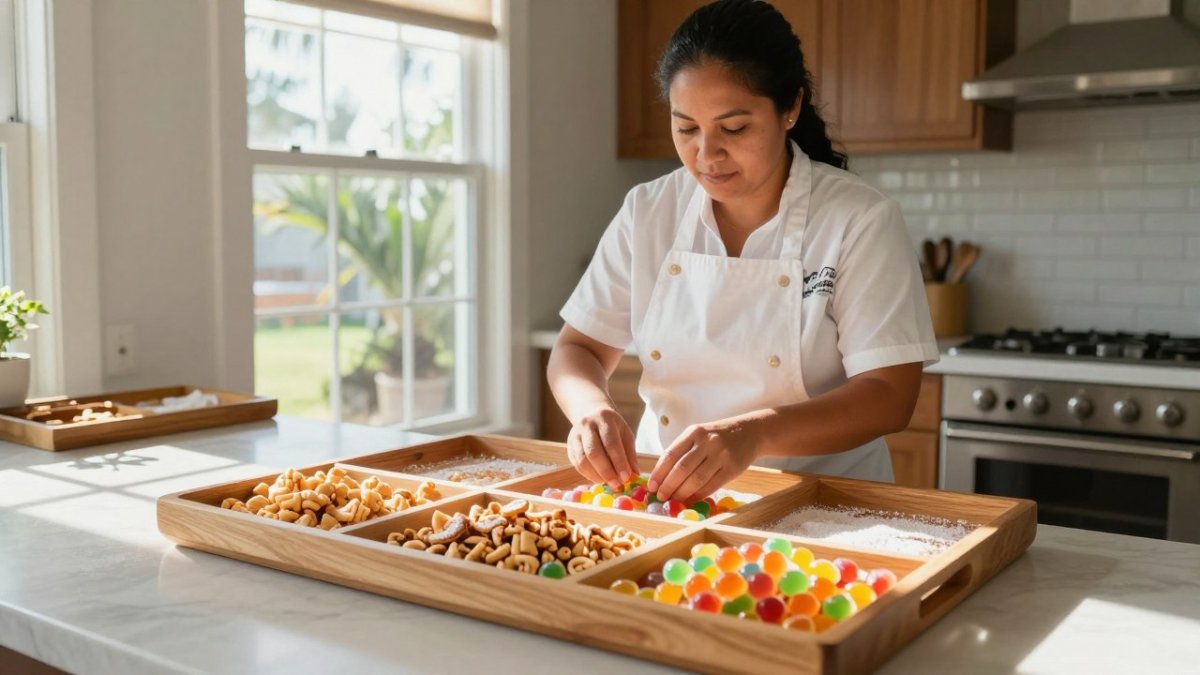
Snack fundraising is a practical choice for schools, sports teams and community groups because it is familiar, easy to explain and popular with buyers. Read the blog post on Hawaii snacks for fundraising to compare the product range. Snacks Galore Hawaii brings authentic island flavors, including sweet Chex mix and tangy gummies, that are rooted in local baking traditions.
Snacks Galore Hawaii's fundraising programs are designed to make it easy for schools and organizations to get started. Visit the fundraising program page to see low minimums and how to start a sale. If you are ready to plan your campaign, visit the fundraising program page to review options, and check the blog for more island-inspired ideas for your community.
Frequently Asked Questions
What are some cool fundraising ideas for schools and teams?
Snack-based fundraisers are among the easiest to run because products sell well to parents, relatives and coworkers without much preparation. Sweet snack boxes, gift packs for holidays and sampling booths at school events all work. Keep the offer simple, set a clear goal for each team member, and share progress updates so families stay engaged through the sale period. Ask sellers to focus on people they already know, since personal requests usually outperform cold outreach for small community groups.
How long should a school fundraiser last?
Most school and team fundraisers run between one and three weeks. A window that is too short leaves families little time to order, while one that drags on loses momentum. Plan a clear start date, a midpoint reminder and a final deadline, and give orders a defined delivery or pickup date. Confirm any local permit or fee requirements before launch, since rules can depend on the event length and the cause.
Where can schools and teams get donations for a fundraiser?
Local businesses, family members, alumni, parent networks and community groups are the most common sources. Ask sponsors for in-kind items such as prizes or raffle goods, or for cash support tied to a visible thank-you, like a logo on flyers or a shout-out at an event. Write a short letter that explains the cause, the goal and how funds will be used, and follow up with a thank-you note after the campaign ends.

Comments