


How to Identify Authentic Hawaiian Snacks

Table of Contents
What Makes a Hawaiian Snack Authentic
Island-Made vs. Mainland Imitations
The Role of Local Ingredients and Heritage Recipes
Step 1: Check the Label for Manufacturer Location
Step 2: Verify Ingredient Sourcing and Transparency
Indigenous and Regional Ingredients to Look For
Step 3: Identify Small-Batch and Artisan-Crafted Production
Authentic Hawaiian Treats for Foodies
Must-Try Local Specialties and Flavor Profiles
Must-Have Hawaiian Snacks to Bring Home
Shelf-Life and Travel Logistics
Where to Buy Authentic Hawaiian Snacks Online
Common Mistakes to Avoid When Buying
Frequently Asked Questions
Last Updated: October 2, 2026
What Makes a Hawaiian Snack Authentic
When you're hunting for authentic hawaiian snacks, the difference between mass-produced tourist items and genuine local treats comes down to a few key factors.
Authenticity starts with understanding the source. Island-made snacks carry a story, they're rooted in local baking traditions, use ingredients sourced from the region, and are often crafted by families who've perfected their recipes over generations. These aren't products designed in a mainland factory to taste "Hawaiian." They're made BY people FROM the islands who understand the flavor profiles and cultural significance of what they're creating.
Island-Made vs. Mainland Imitations
The gap between island-made and mainland imitations is real, and it shows in the label. Island-made snacks are manufactured in Hawaii. Mainland imitations are produced elsewhere and marketed as Hawaiian.
Here's what to watch for:
Manufacturing location, Look for "Made in Hawaii" on the label, not "Inspired by Hawaiian flavors"
Brand origin, Research whether the company is actually based on the islands
Production scale, Authentic producers are small-batch operations, not massive factories
Ingredient sourcing, Local makers source from regional suppliers when possible
Many mainland companies create products with "Hawaiian" in the name but zero connection to the islands. They're betting you won't check. The flavor profile suffers too, mass production prioritizes shelf stability and cost over authenticity.
The Role of Local Ingredients and Heritage Recipes
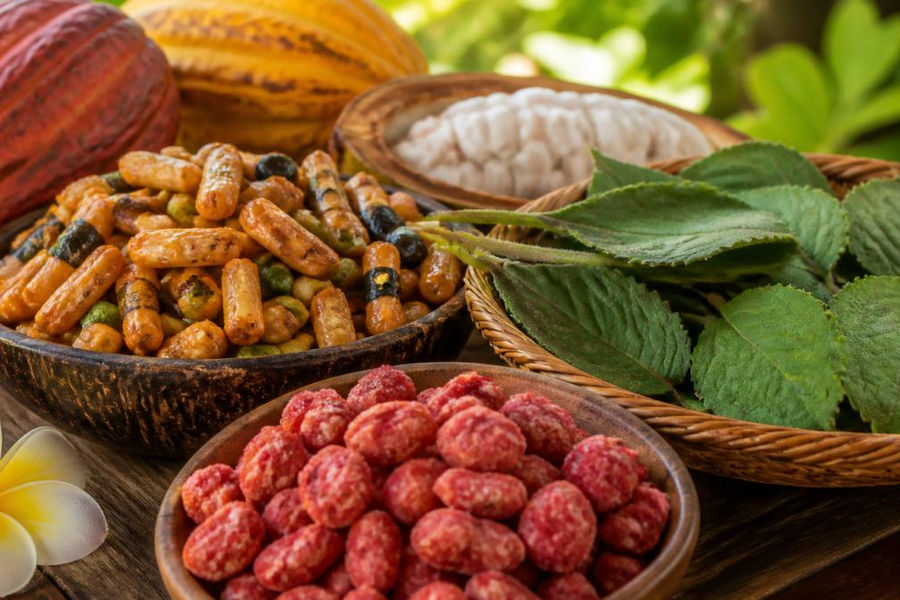
Authentic hawaiian snacks use ingredients that matter. Indigenous and regional ingredients like Li Hing Mui (salted plum), cacao, mamaki (Hawaiian mint), and locally grown taro aren't just flavor choices, they're cultural markers.
Heritage recipes are the backbone of authenticity. When a family has been making arare (crispy rice crackers) the same way for 30 years, that consistency and refinement shows in every bite. These recipes often come from generations of island living, adapted to what grows locally and what tastes right to people who've eaten these snacks their whole lives.
Look for snacks that highlight their ingredient sources. If a label mentions "locally sourced cacao" or "traditional poi preparation," the maker cares about transparency. That transparency usually means they're proud of their sourcing, because they should be.
Step 1: Check the Label for Manufacturer Location
The first thing to do is flip the package over and find where it was made.
Authentic hawaiian snacks are manufactured in Hawaii. That's the non-negotiable starting point. If the label says "Made in California" or "Manufactured in China," it's not authentic, no matter what the marketing says.
Look for these specific label details:
The manufacturer's address should list a city in Hawaii
The label should state "Made in Hawaii" or "Product of Hawaii"
Some artisan makers include their island location (Maui, Big Island, Oahu)
Avoid vague language like "Inspired by Hawaiian flavors" or "Hawaiian-style"
Companies trying to pass off mainland products as Hawaiian often use clever marketing. They'll put "Hawaii" in the brand name or use island imagery on the package. But the actual manufacturing location tells the truth. If you can't find a clear statement of where it was made, move on.
The manufacturer's address is your proof. A real local maker will have no reason to hide where they operate. They're proud of their island roots.
Step 2: Verify Ingredient Sourcing and Transparency
Once you've confirmed it's made in Hawaii, dig into the ingredients.
Authentic hawaiian snacks either source locally or are transparent about where ingredients come from. You should be able to understand what's in the product and why each ingredient was chosen.
Read the ingredient list carefully:
Indigenous and regional ingredients signal authenticity (Li Hing Mui, mamaki, local cacao, taro, poi)
Ingredient sourcing statements show transparency ("locally sourced macadamia nuts," "Hawaiian-grown cacao")
Short ingredient lists often mean less processing and more focus on quality
Recognizable ingredients beat mystery additives and preservatives
Some authentic makers go further. They'll include a story on the label or website explaining their sourcing choices. They might mention a specific farm they work with or explain why they chose a particular ingredient. That level of detail is a green flag.
Indigenous and Regional Ingredients to Look For
These ingredients are cultural anchors for authentic hawaiian snacks:
Li Hing Mui, Salted plum that brings tangy, umami depth to gummies and hard candies
Arare, Crispy rice crackers, a traditional Japanese-influenced Hawaiian snack
Spam Musubi, The iconic combination of Spam and rice wrapped in nori (seaweed)
Poi, Taro root paste, a staple ingredient in Hawaiian cuisine
Kalua pork, Slow-roasted pork, foundational to island flavor profiles
Cacao, Hawaiian-grown chocolate, increasingly sourced from local farms
Mamaki, Native Hawaiian mint with herbal, slightly bitter notes
Macadamia nuts, Island-grown and iconic to Hawaiian snacking culture
When you see these ingredients on a label, you're looking at something rooted in island tradition. Makers who highlight these ingredients understand the cultural narrative behind what they're making.
Step 3: Identify Small-Batch and Artisan-Crafted Production
Authentic hawaiian snacks come from small-batch makers, not industrial facilities.
Small-batch production means:
Limited runs, Batches are made in smaller quantities, often weekly or monthly
Hand-crafted elements, Some steps involve manual work, not just machines
Quality control, Smaller operations catch issues that assembly lines miss
Freshness, Products move faster from maker to customer
You can spot artisan-crafted snacks by looking for:
Labels that mention "small-batch," "handcrafted," or "made in small batches"
Batch numbers or production dates on the packaging
Shorter shelf life (a sign they're not loaded with preservatives)
Information about the maker or family behind the product
Direct-to-consumer sales (online shops, farmer's markets, specialty retailers)
Authentic Hawaiian Treats for Foodies
If you're serious about authentic hawaiian snacks, these are the categories worth seeking out. Each represents a distinct flavor profile and cultural tradition.
Must-Try Local Specialties and Flavor Profiles
Li Hing Mui gummies and candies deliver that signature salty-sweet-sour punch. They're addictive and distinctly Hawaiian. Look for versions made with real Li Hing Mui fruit, not artificial flavoring.
Arare crackers offer crispy, savory satisfaction. Traditional recipes use soy sauce, sugar, and sesame. They're perfect for snacking straight from the bag or pairing with other foods.
Spam Musubi is the ultimate island snack, salty Spam, sticky rice, and umami-rich nori. It's polarizing (some people love it, others don't), but it's absolutely authentic.
Macadamia nut brittle showcases island-grown nuts in a sweet, crunchy form. Quality versions use real macadamia nuts and minimal additives.
Chocolate-covered macadamia nuts combine local nuts with quality chocolate. Look for versions using Hawaiian-grown cacao when possible.
Taro chips offer an earthy, slightly sweet alternative to regular potato chips. They're made from taro root, a staple of Hawaiian cuisine.
Gourmet trail mixes with local ingredients (macadamia nuts, dried fruit, cacao nibs) capture multiple island flavors in one snack.
Each of these has a flavor profile that reflects island traditions. When you try an authentic version, you'll taste the difference from mainland imitations.
Must-Have Hawaiian Snacks to Bring Home
These are the snacks that travel well and make great gifts. They're also the ones people ask for when you return from the islands.
The best choices for bringing snacks home are:
Shelf-stable, They survive shipping and storage without spoiling
Packaged well, Protective packaging keeps them fresh during transit
Distinctive flavor, They remind people of the islands when they taste them
Gift-worthy, They feel special and curated, not like generic souvenirs
Snacks Galore Hawaii specializes in curating collections that fit these criteria. Our custom gift boxes include handcrafted, island-inspired snacks like sweet Chex mix and tangy gummies, all rooted in local baking traditions.
Shelf-Life and Travel Logistics
Shipping food across the country requires understanding shelf life. Not all authentic hawaiian snacks travel equally well.
Long shelf life (3-6 months or more):
Li Hing Mui candies
Arare crackers
Macadamia nut brittle
Dried fruit snacks
Hard candies
Medium shelf life (4-8 weeks):
Chocolate-covered macadamia nuts (keep cool)
Some gourmet trail mixes
Certain artisan cookies
Shorter shelf life (2-4 weeks):
Fresh poi-based snacks
Some handcrafted candies with soft centers
Snacks with high moisture content
When ordering online, check the "best by" date on the label. Reputable makers clearly mark production and expiration dates.
Where to Buy Authentic Hawaiian Snacks Online
Finding authentic hawaiian snacks online requires knowing where to look. Not all online retailers prioritize authenticity.
What to avoid:
Generic online marketplaces that mix authentic and fake products
Retailers that can't tell you where products are made
Sellers with vague or missing ingredient information
Companies that don't list manufacturer locations
Common Mistakes to Avoid When Buying
Most people make at least one mistake when hunting for authentic hawaiian snacks. Here's what to watch out for.
Frequently Asked Questions
How can you tell if a snack is actually made in Hawaii?
The most reliable indicator is the manufacturer location on the label. Authentic Hawaiian snacks list a Hawaii address as the production facility. Look for small-batch, artisan-crafted labels and verify that primary ingredients are sourced locally or use traditional island ingredients like Li Hing Mui, cacao, or mamaki. Transparent labeling about ingredient sourcing and production methods is a strong authenticity marker.
What are some authentic Hawaiian snacks I should look for?
Genuine island specialties include Spam Musubi, Kalua pork-flavored treats, Poi-based snacks, Arare (crispy rice crackers), and locally-made gummies with island flavors. Small-batch candies featuring Li Hing Mui (salty-sweet plum flavor) and handcrafted Chex mix variations are also popular authentic choices. Look for brands that emphasize their local baking traditions and use indigenous or regionally-sourced ingredients.
What should I look for on packaging to verify authenticity?
Check for a Hawaii manufacturer address, not just a distributor location. Authentic labeling includes transparent ingredient lists that name local or indigenous sources. Look for terms like 'island-made,' 'artisan-crafted,' or 'small-batch production.' Avoid packaging that emphasizes tourism appeal without substance, genuine products focus on ingredient quality and cultural narrative rather than generic 'aloha' marketing.
How long do authentic Hawaiian snacks stay fresh during shipping?
Most artisan Hawaiian snacks are shelf-stable for several weeks to months when properly packaged. Check the manufacturer's guidance on storage and shelf-life, typically printed on the label. Reputable online retailers use protective packaging to prevent staleness, and many offer satisfaction guarantees if products arrive compromised.
Shop Now


Comments